Looking for a Hill Country neighborhood that feels established, private, and tied to the outdoors? Canyon Springs Ranch offers a very different experience from more suburban communities closer to San Antonio. If you want to understand what makes this Hunt area neighborhood unique, what kinds of homes and lots you may find, and why local records can sometimes look confusing, this guide will help. Let’s dive in.
Where Canyon Springs Ranch Is
Canyon Springs Ranch is located in Hunt, in Kerr County, along the Guadalupe River Valley. It sits about 20 minutes west of Kerrville on Highway 39, which places it on the more rural, recreation-focused end of the Hill Country spectrum.
That setting matters if you are comparing communities across the greater Hill Country corridor. Canyon Springs Ranch is not positioned like a dense suburban neighborhood. Instead, it is better known for space, scenery, and access to outdoor amenities.
The Canyon Springs Ranch Name Explained
One of the most important details to know is that Canyon Springs Ranch and Cave Springs are used interchangeably in official materials. HOA information states that the Cave Springs development and Canyon Springs Ranch are synonymous, and the governing HOA is Cave Springs Owners, Inc., which was formed in 1976.
If you search listings or review records, you may also see names like Cave Springs Addition. That can affect how properties appear in county records, title work, plats, and MLS history. For buyers and sellers, this is a practical detail worth knowing early.
Established Hill Country Character
If you prefer a neighborhood with history rather than a brand-new tract feel, Canyon Springs Ranch stands out. HOA materials date the community to 1963, which gives it a long-established presence in the Hunt area.
That age shows up in the style of the homes as well. Recent listing examples point to older custom Hill Country construction, with many homes dating from the 1970s through the 1990s. You are more likely to see individual character and site-specific design here than uniform production housing.
What Homes Tend To Look Like
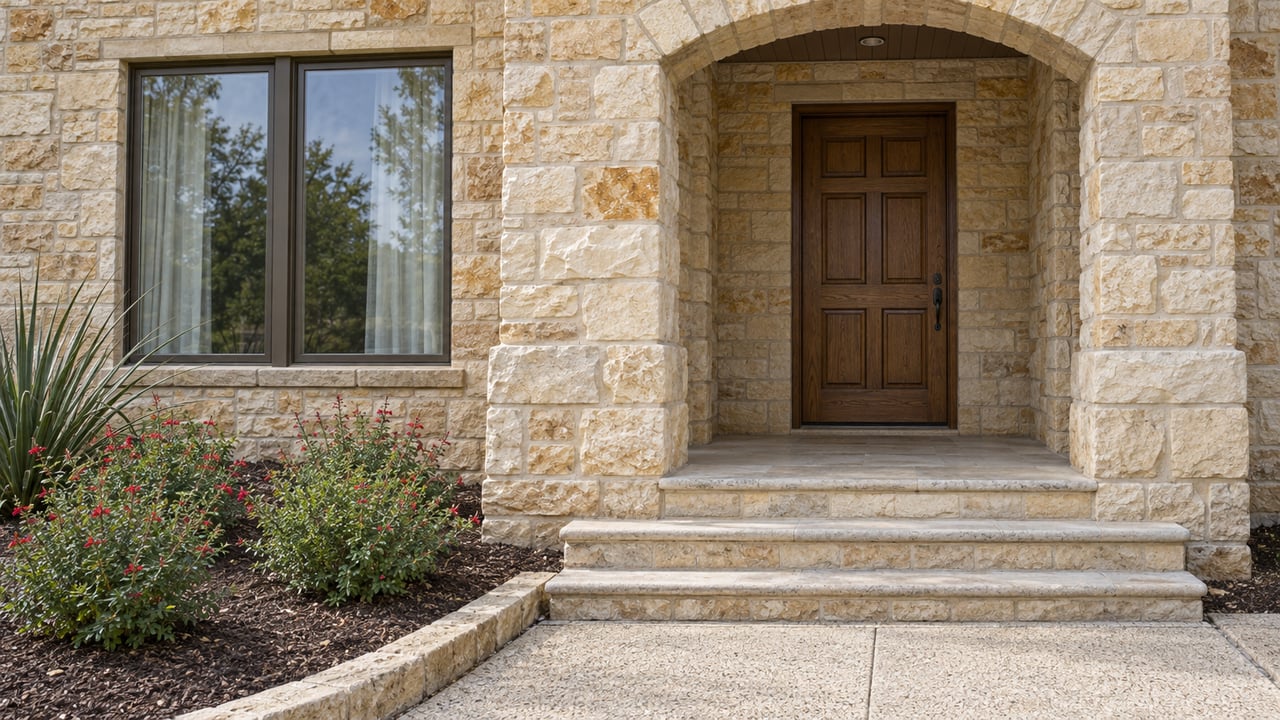
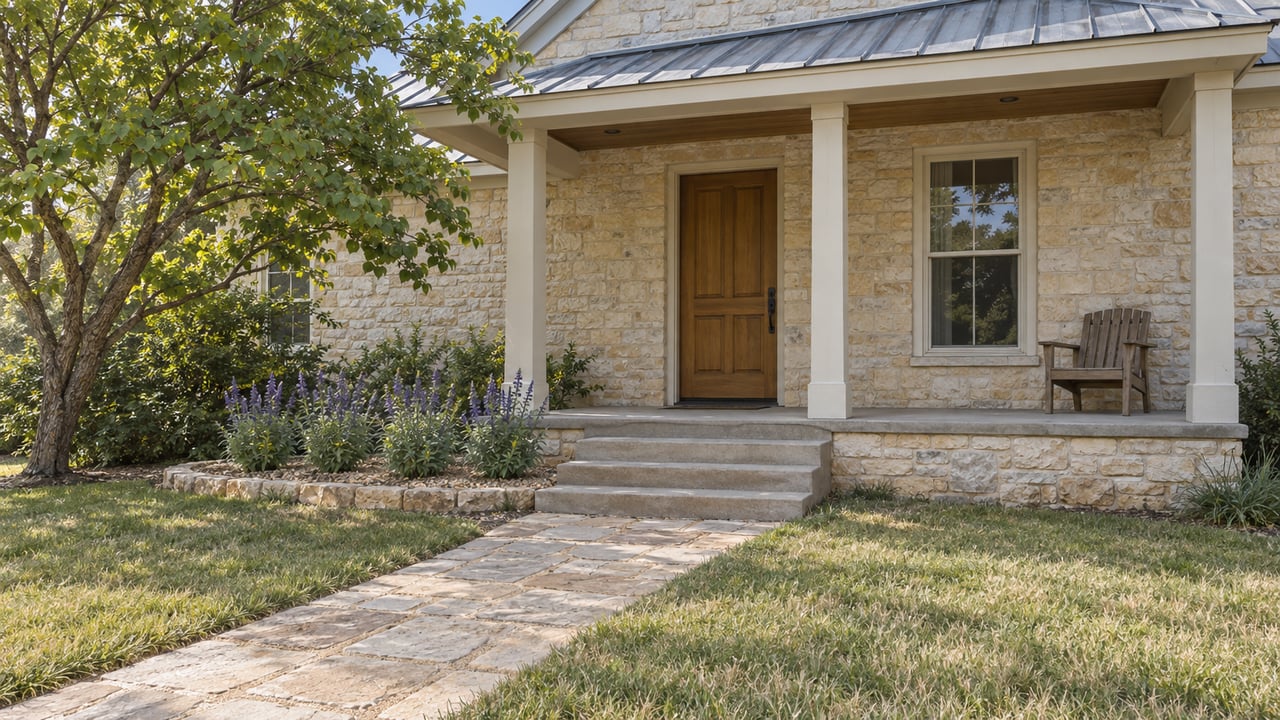
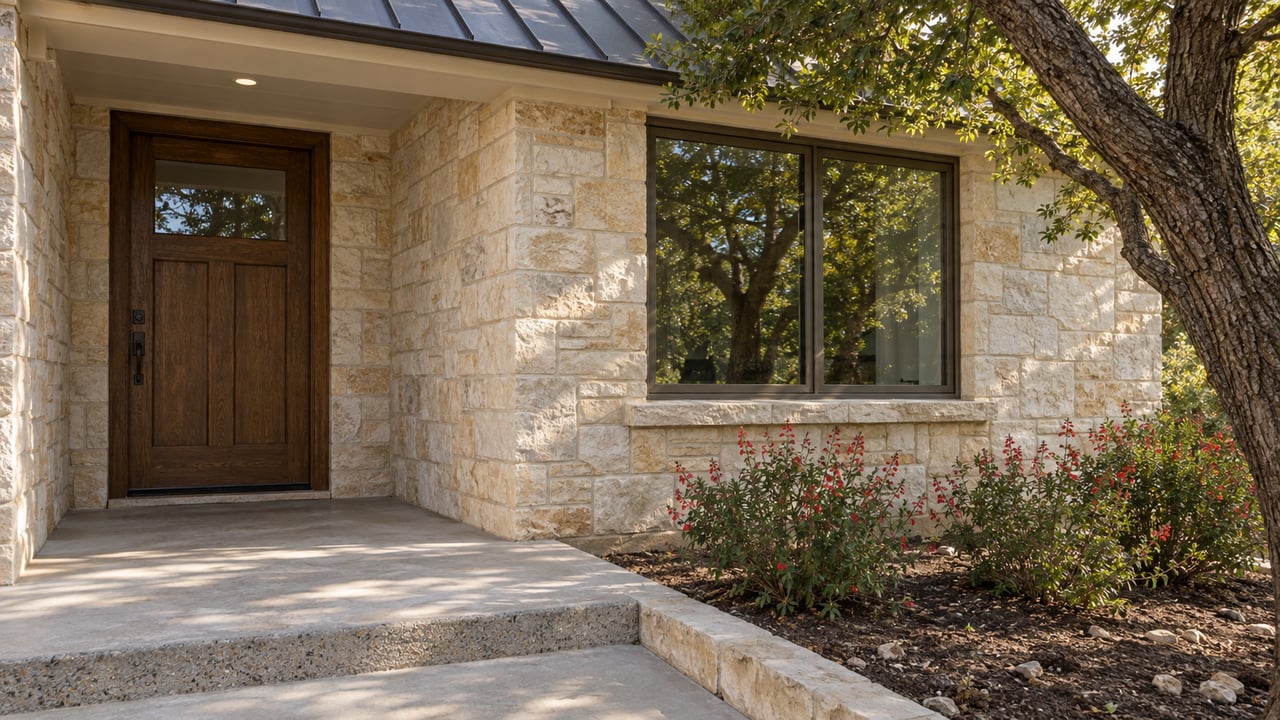
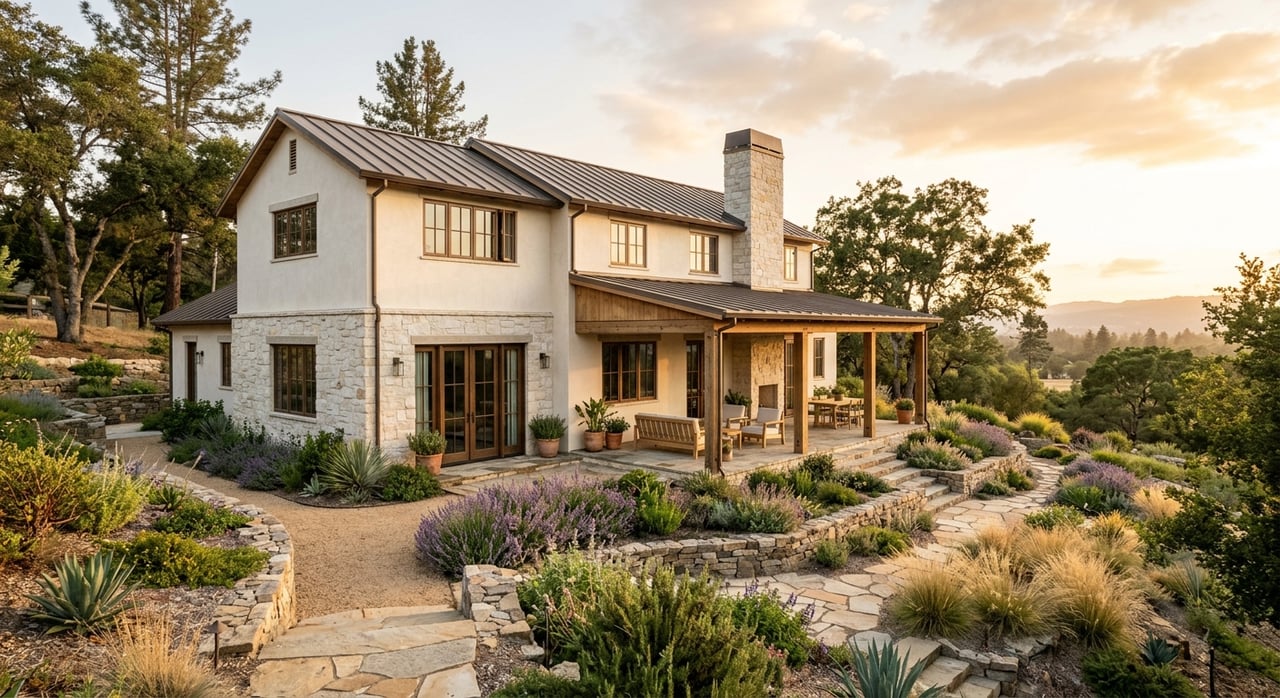
The homes that show up in recent examples reflect classic Hill Country design themes. Features mentioned in listings include one-story rock homes, fireplaces, decks, pools, standing-seam metal roofs, and finishes such as terrazzo or Saltillo.
Some homes also show stucco or Santa Fe-inspired exteriors and outdoor living spaces built around long-range views. In other words, the visual character tends to feel mature, custom, and connected to the land.
Lot Sizes And Space Expectations
Canyon Springs Ranch is known for larger homesites by Hill Country standards. Recorded restrictions show that the minimum building plot varies by section, with one section requiring at least 22,500 square feet and another requiring 27,000 square feet.
That means you are generally looking at an estate-lot pattern rather than compact suburban lots. The research also notes a recent sample of inventory ranging from about 0.91 acres to 9.67 acres, including riverfront and mixed-acreage properties.
Here is a simple snapshot of what that means in practical terms:
| Category | What the research shows |
|---|---|
| Community origin | Dates to 1963 |
| HOA oversight | Cave Springs Owners, Inc., formed in 1976 |
| Minimum plot size | 22,500 sq ft in one section, 27,000 sq ft in another |
| Minimum home size | 1,200 sq ft for one-story homes, or 1,100 sq ft on the ground floor of multistory homes |
| Recent listing examples | Roughly 0.91 acres to 9.67 acres |
Recorded Restrictions To Know
For many buyers, restrictions are part of what preserves a neighborhood’s long-term feel. In Canyon Springs Ranch, recorded standards support a residential, detached single-family pattern with architectural controls.
The restrictions also include minimum heated living area requirements. Research indicates a minimum of 1,200 square feet for one-story homes, or 1,100 square feet on the ground floor for multistory homes.
If you are considering a purchase here, these kinds of standards can shape what is possible on a property. They can also help explain why the community has a more consistent estate-style look over time.
Outdoor Living Is A Major Draw
The outdoor lifestyle is one of the biggest reasons buyers look at Canyon Springs Ranch. The HOA highlights private gated access to a deep section of the Guadalupe River, which is a major feature for anyone who values time on or near the water.
The community also includes a private 96-acre Wilderness Park for hiking. Combined with wooded lots, trails, porches, decks, and view-oriented homesites seen in listings, the neighborhood clearly leans into a nature-centered lifestyle.
Community Features That Shape Daily Life
Beyond the scenery, Canyon Springs Ranch offers amenities and infrastructure that affect everyday ownership. According to HOA materials, the community has:
- Private gated Guadalupe River access
- A private 96-acre Wilderness Park
- A managed community water supply plumbed to each property
- County-maintained roads
- A Hunt Volunteer Fire Department substation
- Firewise USA participation
- Low HOA dues
- Abundant wildlife
Taken together, these details help paint a picture of daily life. You get a more rural setting without giving up certain organized community systems that many buyers want.
Who Canyon Springs Ranch May Fit Best
This community may appeal to you if your idea of Hill Country living includes elbow room, natural surroundings, and a more established neighborhood feel. It can be a strong fit for buyers who want larger lots, custom-home character, and access to recreation instead of a suburban master-planned layout.
It may also appeal to buyers looking for a retreat-style property within reach of Kerrville. Because the neighborhood sits west of Kerrville in Hunt, it offers a setting that feels more tucked into the landscape.
What Buyers Should Watch For
When you evaluate homes or land here, it helps to look at more than just the house itself. In a community like Canyon Springs Ranch, you will want to confirm how a property is identified in public records and listing history, especially because of the Cave Springs naming overlap.
You will also want to review the recorded restrictions for the specific section involved. Lot minimums and building standards can vary by section, so details matter when you are comparing opportunities.
A practical buyer checklist may include:
- Confirm whether records use Canyon Springs Ranch, Cave Springs, or Cave Springs Addition
- Review deed restrictions for the specific section
- Verify lot size and property boundaries
- Understand access to river and park amenities
- Ask how the community water system applies to the property
- Review the age, condition, and style of improvements on older custom homes
What Sellers Can Highlight
If you are selling in Canyon Springs Ranch, the strongest story is usually the lifestyle. The established history, larger homesites, private river access, wilderness park, and mature Hill Country character help differentiate the neighborhood from more standard inventory.
Property-specific features can also matter a lot here. Views, outdoor living areas, wooded privacy, pool features, fireplaces, metal roofs, and custom finishes may all help reinforce the value of a home when presented clearly.
Because buyers may not immediately understand the Cave Springs and Canyon Springs Ranch naming issue, clear marketing and organized property information can help reduce confusion. That is especially important in a niche Hill Country market where details influence confidence.
Why Local Guidance Matters Here
A neighborhood like Canyon Springs Ranch often rewards a more careful, detail-driven approach. Between the dual naming history, section-based restrictions, varied lot sizes, and older custom housing stock, buyers and sellers benefit from clear guidance and strong communication.
That is especially true if you are relocating from the San Antonio area or comparing Hill Country options for the first time. Having someone who can help you sort through records, understand the property story, and move step by step can make the process smoother.
If you are exploring Canyon Springs Ranch or preparing to sell there, Norma Lira can help you navigate the details with clear guidance and responsive support. Schedule a consultation.
FAQs
What is Canyon Springs Ranch in Hunt, Texas?
- Canyon Springs Ranch is an established subdivision in Hunt, Kerr County, in the Guadalupe River Valley, about 20 minutes west of Kerrville on Highway 39.
Why do Canyon Springs Ranch records also say Cave Springs?
- HOA materials state that Cave Springs development and Canyon Springs Ranch are synonymous, so county records, plats, and listings may use either name.
What lot sizes can you expect in Canyon Springs Ranch?
- Recorded restrictions show minimum building plots of 22,500 square feet in one section and 27,000 square feet in another, while recent listing examples ranged from about 0.91 acres to 9.67 acres.
What types of homes are common in Canyon Springs Ranch?
- Recent examples point to older custom Hill Country homes, often from the 1970s to 1990s, with features like rock exteriors, fireplaces, decks, pools, metal roofs, and view-oriented outdoor spaces.
What amenities does Canyon Springs Ranch offer?
- HOA materials highlight private gated Guadalupe River access, a private 96-acre Wilderness Park, a managed community water supply, county-maintained roads, a fire department substation, Firewise USA participation, low HOA dues, and abundant wildlife.
Is Canyon Springs Ranch more rural or suburban?
- Based on its Hunt location, larger lots, and emphasis on river and trail amenities, Canyon Springs Ranch is better described as a more rural, recreation-focused Hill Country community.